
Cummins Simulator
2025-09-13
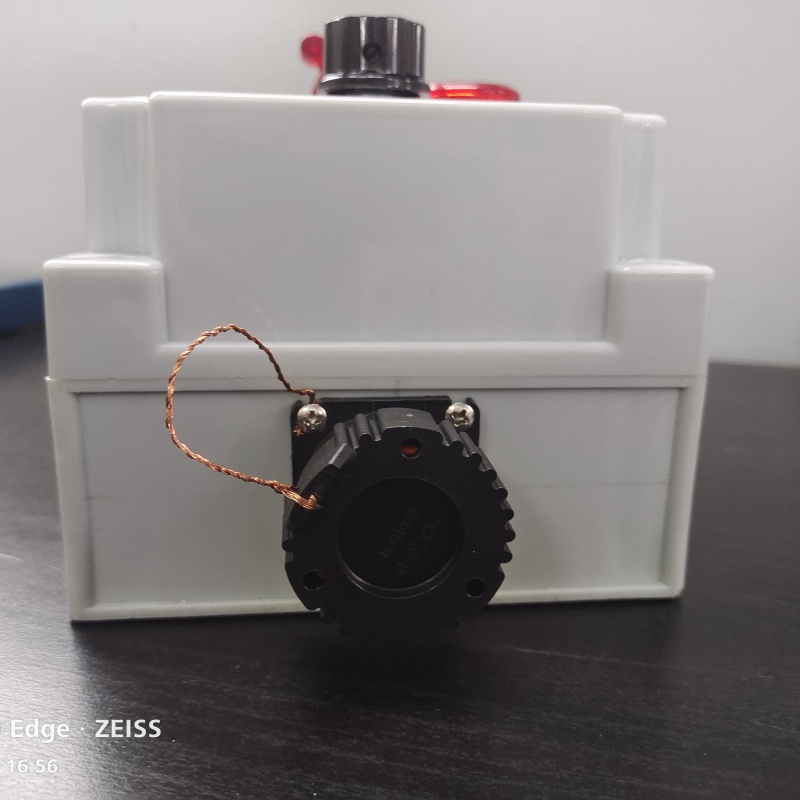

The Cummins electronic engine electronic control maintenance simulator is an indispensable professional tool for engine overhaul work in the workshop. It sends analog signals to the engine's core control unit (ECU) through precise signal generation and transmission technology, while establishing real-time data interactive connections with computer systems to build a complete working condition simulation test platform.
The core value of this simulator lies in its ability to highly reproduce all key working conditions involved in the engine starting and operation process in a controlled workshop environment - from the fuel atomization state during low-temperature cold starts, the load on the cooling system under high-temperature environments, to changes in intake pressure in different speed ranges, adjustments to fuel injection timing, and even the signal feedback logic of various sensors (such as crankshaft position sensors, oxygen sensors, etc.), all of which can be accurately replicated by the simulator.


In the maintenance process, the importance of the simulator is reflected in several key aspects:
1. Safety test guarantee: All functional verifications can be completed without actually starting the engine, avoiding mechanical damage or safety hazards caused by improper component assembly, incorrect parameter settings, and other issues during maintenance. Especially for engines that have just undergone disassembly and overhaul, it significantly reduces the risk of test runs.


2. Accurate fault location: By simulating signal inputs under specific working conditions, maintenance personnel can quickly check whether the ECU's response to various commands is normal, accurately distinguishing between sensor faults, circuit problems, or defects in the control unit itself. This avoids the inefficient mode of "blindly replacing components" in traditional maintenance.

3. Improved maintenance efficiency: Repeated testing and adjustments can be performed without relying on the actual operating environment, shortening the fault diagnosis cycle. Especially for complex electronic control system faults, the effectiveness of maintenance plans can be quickly verified through real-time parameter monitoring and working condition switching.
4.Optimized cost control: It reduces unnecessary fuel consumption, mechanical wear, and potential secondary maintenance costs, while also lowering production losses caused by prolonged downtime.
It can be said that the Cummins electronic control engine maintenance simulator is not only a technological upgrade of maintenance tools but also a core supporting equipment in the modern engine overhaul process that ensures maintenance quality, improves work efficiency, and reduces overall costs, directly determining the professionalism and reliability of maintenance work.
